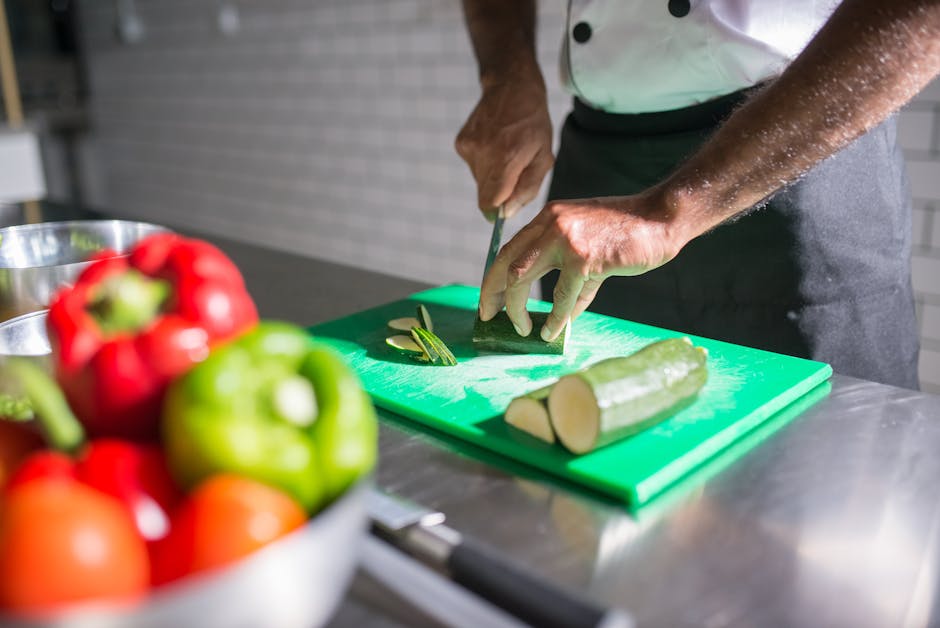
Alright, let's get our lab coats on and fire up the burners. We're about to deconstruct deliciousness at a molecular level.
The Flavor Equation: An Alchemist's Guide to Meatless Satisfaction
To truly build a compelling dish from the ground up, one must first become a flavor architect, reverse-engineering the very essence of what makes us crave certain foods. What is the molecular magic that makes a sizzling steak or a slow-braised pork shoulder so profoundly gratifying? This isn't culinary guesswork; it's a beautiful symphony of biochemistry. The entire sensory experience hinges on a powerful gustatory tripod, a trio of inputs that I call the Satisfaction Matrix: Savory Depth (Umami), Structural Integrity (Texture), and Thermal Transformation (Maillard/Char).
Component 1: Savory Depth (Umami)
Let's begin with the foundational harmonic of flavor. Umami, our fifth taste, is the perception of savory richness, a sensation our tongues register primarily through contact with glutamates and nucleotides. Animal proteins are absolutely saturated with these compounds, providing an immediate and potent baseline of flavor. In our matrix, this is the resonant, soul-stirring cello in the orchestra. Attempting to construct a plant-based dish devoid of a robust umami component is like trying to paint a masterpiece with only pastel colors—it will inevitably feel weak, hollow, and fundamentally unsatisfying.
Harnessing Umami Catalysts:
- Fungi (Shiitake & Porcini): These are veritable treasure troves of free-form glutamates. Dehydrating them intensifies this concentration exponentially. Salvage their rehydrating liquid; it's a potent, ready-made broth.
- Microbial Allies (Fermented Soy): Tamari, miso, and soy sauce are umami powerhouses. Here, fermentation acts as our microbial chef, diligently breaking down complex proteins into their constituent amino acids, liberating a torrent of glutamate.
- Nutritional Yeast: My pantry is never without this flaky gold. This deactivated yeast unleashes a blast of nutty, cheesy savoriness that adds an almost magical layer of complexity.
- Lycopersicon esculentum (Tomatoes): Applying heat to tomatoes concentrates their naturally occurring glutamates. Tomato paste, therefore, is a highly effective tool for injecting deep, cooked-down savory notes into any creation.
- Kombu (Laminaria japonica): This specific kelp is the undisputed sovereign of naturally occurring MSG. Infusing a strip into broths or cooking liquids for beans lends an incredibly clean, profound background savoriness without announcing its presence.
Component 2: Structural Integrity (Texture)
Our satisfaction is not just chemical; it's mechanical. We must consider the haptics of eating—the science of touch as it applies to the mouth. There is a primal gratification wired into our jaws that comes from shear force, from resistance, from the complex interplay of tender and crisp. The satisfying shred of braised meat, the gratifying rupture of a sausage casing, the hearty crumble of browned ground beef—these are critical data points. A dish of uniformly soft, yielding plant matter will never fulfill that deep-seated need for structural contrast and chew.
Engineering Textural Analogs:
- Lentils & Walnuts: When blitzed to a coarse consistency and seared in a hot pan, this duo develops a fantastic textural crumble that brilliantly mimics minced meat for applications like bolognese or tacos.
- Vital Wheat Gluten (Seitan): This is essentially pure, unadulterated wheat protein. It’s a blank canvas for building density and chew, allowing you to create everything from a tender, pull-apart carnitas to a firm, steak-like bite.
- King Oyster Mushrooms: A miracle of mycology. The thick, fibrous stems of these mushrooms can be scored and seared to replicate the bounce of a sea scallop or shredded with forks to produce an astonishingly convincing "pulled" texture.
- High-Temp Cheeses (Halloumi & Paneer): These non-melting cheeses offer a firm, squeaky, and substantial bite, serving as perfect vehicles for capturing char and smoke.
Component 3: Thermal Transformation (The Maillard Reaction)
This is where the real alchemy begins. That intoxicating aroma wafting from a grill? That's the glorious result of the Maillard reaction. It's not a single event but a beautiful, chaotic cascade of hundreds of chemical reactions initiated when amino acids and reducing sugars are subjected to high heat. This creates a wealth of new, complex aromatic compounds responsible for notes of roast, nuts, and deep savoriness.
Crucially, this is the fundamental law of delicious browning, and it is not proprietary to animal flesh. You can and absolutely must leverage this phenomenon with plants. Mastering Maillard is what separates a listless, steamed vegetable from a magnificent, gloriously caramelized one. The non-negotiable catalyst is intense, arid heat.
Executing a Perfect Browning Reaction:
- Eliminate Surface Moisture: Water is the arch-nemesis of browning. Pat your ingredients—tofu, mushrooms, vegetables—aggressively dry. Surface moisture creates a steam barrier, capping the temperature at 100°C (212°F), far below the 140°C (285°F) threshold where the Maillard magic ignites.
- Manage Thermal Density: Never overcrowd your pan. Each ingredient needs unimpeded contact with the hot surface. Piling them in causes a catastrophic drop in the pan's temperature, resulting in a soggy, steamed tragedy instead of a magnificent sear.
- Choose Your Vessel Wisely: Heavy-gauge pans like cast iron or carbon steel are superior for this task. Their thermal mass allows them to retain and distribute high heat with unwavering consistency.
- Catalyze the Reaction: For ingredients low in natural sugars, introduce a biochemical accelerant. A minute dusting of sugar or a slick of maple-infused glaze provides the necessary reducing sugars to jumpstart the browning cascade, a trick used to achieve perfect caramelization in professional kitchens everywhere.
Alright, let's get into the lab. We're moving beyond simple cooking and into the realm of flavor construction. Time to put on our safety goggles and engineer some seriously craveable food.
From Blueprint to Plate: 10 Recipes Engineered with the Flavor Matrix
A symphony of flavor is never an accident; it's a calculated composition. To achieve true gustatory satisfaction, you must operate like a sound engineer mastering a track, meticulously layering each element. You need the guttural, resonant bass notes from umami compounds, the crucial, kinetic percussion of texture, and the brilliant, aromatic high notes generated by the Maillard reaction and caramelization.
This is where you transition from cook to flavor architect. For any given dish, you're not just following steps; you're building a structural scaffolding of sensation, consciously selecting molecular building blocks from our three core pillars. The following 10 concepts aren't just ingredient swaps. They are schematics, reverse-engineered for maximum sensory impact.
1. Lentil & Walnut Bolognese:
- Texture: A delightful granular structure from tender lentils and the toothsome crumble of toasted walnuts.
- Umami: A double-helix of savory depth, drawing glutamates from tomato paste and miso, amplified by the guanylates in porcini mushroom powder.
- Char: Achieved by patiently caramelizing the soffritto until its sugars reach peak flavor complexity, then browning the tomato paste.
2. Smoked King Oyster Mushroom "Pulled Pork" Sandwiches:
- Texture: We exploit the unique, fibrous morphology of king oyster stems, which shred beautifully to mimic the texture of pulled meat.
- Umami: A trifecta of savory and smoke: the phenolic compounds of smoked paprika, the fermented depth of tamari, and the glutamate-rich foundation of a tomato BBQ sauce.
- Char: A hard sear in a screaming-hot cast-iron skillet initiates the Maillard reaction before the mushrooms are introduced to the sauce.
3. Black Bean & Mushroom "Smash" Burgers:
- Texture: A robust foundation of hearty black beans integrated with finely diced, seared mushrooms for moisture and chew.
- Umami: A payload of savory compounds delivered via nutritional yeast, vegan Worcestershire, and a dash of soy sauce within the patty itself.
- Char: The patty makes direct, violent contact with a ferociously hot griddle, creating a magnificent, web-like crust—a pure expression of high-heat browning.
4. Miso-Glazed Crispy Tofu Steaks:
- Texture: Tofu is hydraulically pressed to create a dense, proteinaceous canvas, which is then coated in a micro-thin layer of cornstarch for unparalleled crispiness.
- Umami: A powerful glaze built on the fermented glutamate profile of white miso, balanced with the sweetness of mirin and the saltiness of soy.
- Char: The glaze polymerizes under intense pan-searing heat, transforming into a dark, sticky, and profoundly flavorful crust.
5. Seitan "Chicken" Skewers with Blistered Peppers:
- Texture: The satisfying, dense mastication provided by the tightly-bound gluten network of well-made seitan.
- Umami: A foundational marinade that infuses the seitan with allium compounds from garlic and onion powder, plus the fermented kick of soy.
- Char: Direct, high-heat grilling creates those coveted pockets of pyrolytic char on both the protein and the accompanying vegetables.
6. Spicy Tempeh "Sausage" Crumbles:
- Texture: Fractured tempeh is pan-fried in fat, creating countless crispy, irregular facets that contrast with its tender interior.
- Umami: We build a classic sausage flavor profile with fennel (for its anethole compound), smoked paprika, a whisper of liquid smoke, and tamari.
- Char: The crumbles are allowed to deeply brown in the pan, developing a rich crust before being integrated into a final dish.
7. Halloumi "Bacon" Strips:
- Texture: The unique, non-melting protein matrix of halloumi provides a tantalizing textural duality of a crisp exterior and a signature squeaky, chewy core.
- Umami: A smoky-sweet marinade leveraging liquid smoke, the complex sugars of maple syrup, and paprika.
- Char: Pan-rendered until the marinade's sugars fully caramelize, creating a glossy, deep amber lacquering on both sides.
8. High-Roast Cauliflower Steaks with Romesco Sauce:
- Texture: High-heat convection cooking creates a perfect textural gradient, from a deeply browned, firm exterior to a tender, succulent core.
- Umami: The primary umami payload is delivered by the romesco, a complex emulsion of fire-roasted tomatoes and toasted nuts.
- Char: The cauliflower florets are roasted until their edges are deeply caramelized and kissed with dark, flavorful char.
9. Umami-Infused Mushroom Broth with Soba Noodles:
- Texture: A compelling interplay between the al dente, chewy bite of buckwheat soba and the yielding silkiness of cubed tofu.
- Umami: The broth is a masterclass in layered umami, extracting glutamates from kombu, guanylates from dried shiitakes, and a final, creamy savory note from white miso.
- Char: A last-minute aromatic flourish is added with a drizzle of oil that has been used to sizzle scallions and chilies until fragrant and lightly charred. It’s this precise layering of complex savory notes that our palates are hardwired to seek, a sensation often found in meticulously crafted global cuisines. The formula, however, is universal, and you can construct it yourself.
10. "Meaty" Eggplant & Chickpea Curry:
- Texture: We manipulate the eggplant's cellular structure via broiling, transforming its sponginess into a collapsed, velvety, and creamy mouthfeel that contrasts with the firmness of the chickpeas.
- Umami: Developed by blooming the volatile aromatic compounds of whole spices in hot oil, then deepening the foundation with tomato paste and coconut aminos.
- Char: A preliminary, high-heat broiling pass on the eggplant not only provides essential char but also denatures the enzymes that would otherwise cause it to become watery in the curry.